Buying your first home in the Upstate is simpler than most people expect, but a few things trip buyers up. This guide walks through the steps in order. It applies to any new home, and we note where a new manufactured home on its own lot is different.
1. Know your real budget
Start with the monthly payment, not the price. A lender will tell you what you qualify for, but the number that matters is what you can pay every month and still save a little. Add up principal and interest, property tax, homeowners insurance and, if the lot is not on public water and sewer, the upkeep of a well or septic system.
Property tax depends on the county, the tax district and the assessed value, so ask the county assessor or auditor for an estimate on a specific address. A home you live in is taxed at the 4 percent owner-occupied ratio once you apply for it, which is much lower than the 6 percent ratio that applies otherwise. Get an insurance quote on the specific home before you commit, too. Rates vary by insurer and by the home.
2. Get pre-qualified before you look
A pre-qualification usually costs nothing and does not take long. It tells you what you can borrow and it tells a seller you are serious. If you plan to use an FHA, VA or USDA loan, say so up front. Those programs can finance a new manufactured home that is on a permanent foundation and titled with the land, subject to each program's rules and the lender's own requirements.
If a bank loan is not the right fit, ask about owner financing. We offer it on our homes. Terms are set per buyer, and the down payment is usually larger than on an FHA loan. There is no bank in the middle, but we still look at whether the payment fits your income.
3. Pick the county, then the home
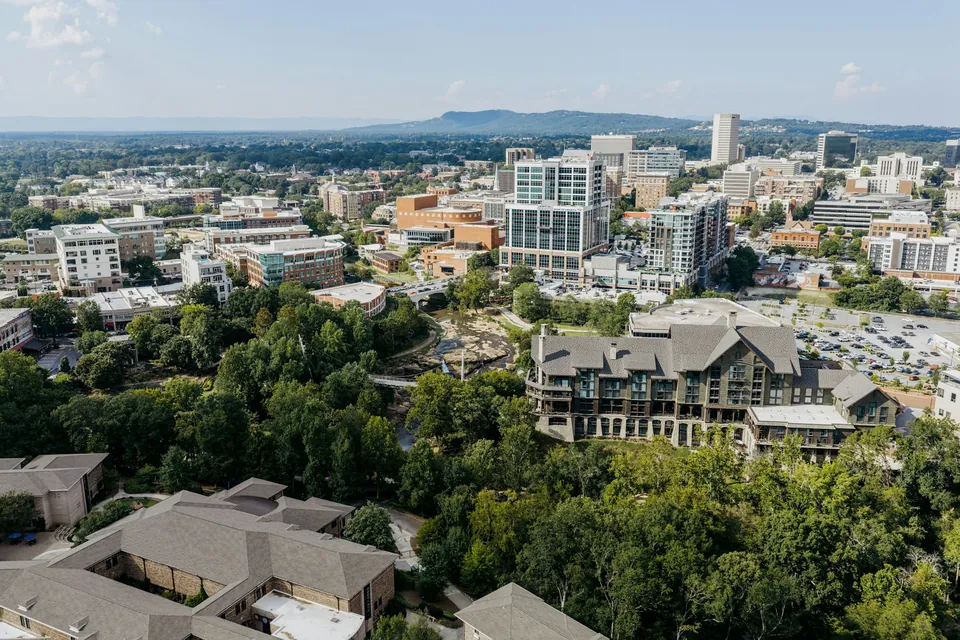
The eight counties we build in differ in price and commute. Greenville County is generally the most expensive and the closest to the most jobs. Anderson and Pickens counties border Greenville County and are often less expensive. Spartanburg County has several school districts, so check which one a lot is in. Laurens, Cherokee, Oconee and Union counties often have lower land prices and longer drives to Greenville.
A good rule: drive the commute at the time you would actually drive it before you commit to a lot.
4. Understand what is included
Our listed prices include the lot, the home, the permanent foundation, the utility hookups, a porch and the driveway, with no separate setup or lot fees on top. Ask us for the list for the specific home you like. Ask any builder for the same list. Common extras on other new homes include the well, the septic system, the driveway and the final grading.
5. Inspections
A new manufactured home is built under the federal HUD code, with third-party inspectors working in the plant. On the lot, the county or city building department inspects the foundation, the installation and the utility connections before anyone moves in. You can also hire your own home inspector for a fee, and we encourage it. Walk the home with a punch list before closing and make sure everything on it is done or in writing.
6. Closing
In South Carolina a closing attorney handles the paperwork, the title work and the recording of the deed. Ask your lender for the Loan Estimate early so the closing costs are not a surprise. You will sign the note and mortgage, get the keys and the warranty paperwork, and the deed will be recorded with the county.
7. After you move in
Apply for the 4 percent owner-occupied assessment with the county as soon as you move in. It can lower your property tax bill a lot. Keep the manufacturer's warranty booklet and your closing papers together, register the appliances, and change the HVAC filter as often as the maker recommends.
Questions buyers ask most
Can I buy with no money down? Sometimes. VA and USDA loans can be zero down if you qualify. FHA loans need at least 3.5 percent down for most buyers. Owner financing needs a down payment too, and a paid-off vehicle or equipment can count toward it, subject to appraisal.
How long does it take? It depends on how you pay. A cash sale on a finished home is usually the quickest. A bank loan takes longer because of the appraisal and underwriting. Your lender and closing attorney set the timeline.
Can I build on my own lot? Often, yes. We check zoning, access, utilities and soil first. Call with the parcel address.
If you have a question this guide did not answer, call us. We are glad to walk first-time buyers through it.